Today, tattoos are extremely popular, with every third person having at least one. However, not everyone remains satisfied with the final result. Depending on the time it was done and the tattoo artist chosen, many tattoos fade over time, look unprofessional, or simply do not live up to their owner’s expectations. This often leads to embarrassment and distress, especially when the tattoo is in a prominent location. Before the 1990s, tattoo removal was done by much more invasive and painful methods. Initially, continuous wave lasers were used which generated a strong beam of energy. It affected not only the ink of the tattoo, but also the surrounding tissue, often leading to pain and scarring. How to remove a tattoo ? A tattoo is a drawing on the skin that is created by placing ink under the surface of the skin with a needle. The ink remains permanent because it is retained in a deeper layer of the skin that is not renewed like the top layer. This makes the tattoo permanent and turns it into a way of decorating or expressing something important to the person. Laser tattoo removal is a procedure that aims to break down the ink that has been inserted under the skin so that your body can gradually shed it. Normally, the immune system works to remove foreign particles from the body, but ink particles are too large to be removed by the immune system alone, making them permanent. Because of this, removing a tattoo can be a complicated process requiring several sessions, especially with professionally done tattoos where the ink granules are deep below the surface of the skin. What is a laser tattoo removal procedure? Lasers remove tattoos by breaking up the pigments in the ink using an intense beam of light. The black pigment of the tattoo absorbs all laser wavelengths, making it the easiest color to treat. Other colors require specific lasers tailored to their pigment. Suitable time for laser tattoo removal procedure The recommended time for laser tattoo removal is during the fall-winter season. The cooler months create more favorable conditions for the skin, reducing the risk of unwanted side effects and aiding in faster recovery. In this period, the skin is less exposed to UV rays, which significantly reduces the risk of pigmentation and irritation in the treated area. Also, the cold weather reduces the chance of sweating, which in turn lowers the likelihood of irritation and infection in the tattoo area. These conditions create an optimal environment for the procedure and allow the skin to heal more effectively, minimizing complications and achieving a better tattoo removal result. Before the laser tattoo removal procedure is necessary: These aspects will allow the specialist to choose the most appropriate removal technique and prepare you for the process and the possible results of the procedure. During the laser tattoo removal procedure: – The specialist can take a photo of your tattoo to show the difference “before” and “after” the procedures and track progress. Care after laser tattoo removal: Your specialist will provide you with clear care instructions after each laser tattoo removal session. By following these recommendations, you will support the safe and effective recovery of your skin. Here are some of the most effective methods to aid healing: Why does it take more than one session to remove a tattoo? Tattoo removal requires more than one session due to the way the ink is layered into the skin. When the tattoo is created, the ink is implanted in several layers, which the laser breaks down into smaller particles with each session. After each treatment, the body needs time to clear the degraded ink through the immune system, and the skin needs time to heal before the next procedure. Side effects from the procedure Skin color changes: Allergic reactions: Although rare, it is possible to have an allergic reaction to tattoo pigments, especially red ink, which is more likely to cause allergies. Laser tattoo removal offers a modern, effective and gentle solution for anyone wishing to remove or correct their tattoo. With advances in technology, this method is becoming more affordable and safe, minimizing pain and the risk of scarring. Understanding the process, careful preparation, and choosing a qualified professional are essential for successful results. It is also important to follow the care recommendations both before and after each procedure to maximize an effective and safe recovery. This approach makes laser tattoo removal e preferred choice for people looking for ways to feel more confident in their own skin.Tattoo removal
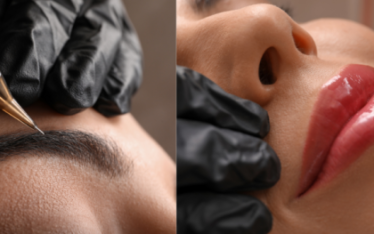
With the development of technology, there is now an effective solution to this problem – laser tattoo removal. Laser technology allows for the safe and efficient removal of professional and non-professional tattoos, traumatic pigmentations and even permanent makeup (micropigmentation), gradually restoring the natural appearance of the skin.
Before the advent of laser technology, other methods were also applied to remove tattoos. These included dermabrasion (peeling off the top layer of the skin), treatment with trichloroacetic acid (TCA), which reaches the depth of the ink, and surgical excision of the skin. For larger tattoos, skin grafts were sometimes used, which also left permanent scars.
Laser removal, introduced in the early 1990s, offers a more modern, gentle and effective approach that reduces pain and the risk of scarring.
The goal of successful removal is to break the ink particles into smaller fragments that the immune system can safely remove. This technique is most commonly achieved with laser removal, which works by directing pulses of light at the tattoo, breaking up the ink with minimal risk of scarring.
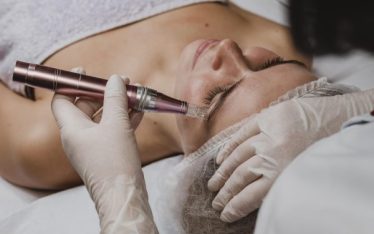
The specialist who performs the procedure uses lasers with high-intensity light pulses that target the ink in the tattoo without affecting the surrounding skin. The ink absorbs the light pulses and begins to heat up. This heat breaks the ink into smaller particles, which the immune system gradually clears away. With each session, the tattoo fades until the ink is completely removed.
– Safety glasses will be provided to protect your vision from the intense light beam of the laser.
– Before starting, a numbing cream will be applied to the treatment area to minimize discomfort during the procedure.
– A (quick test patch, a procedure performed on a limited area of skin) may be performed to assess the response to the laser and determine the most appropriate technique and type of laser for your skin type.
– If you experience pain or discomfort during the procedure, be sure to let the specialist know so that the intensity can be adjusted or additional pain relief measures can be taken.
The removal process is individual and depends on many factors, including the colors used in the tattoo, as different pigments react differently to the laser. For example, black and blue pigments absorb light better and are usually easier to remove, while other colors such as yellow or green may require more sessions.
With each treatment, the laser breaks down the ink layer by layer, first from the most superficial layer and then from deeper layers, gradually fading the tattoo’s color. The number of sessions required depends on factors such as the quality and density of the ink, the depth of application and the way the tattoo is executed. This step-by-step approach is necessary to avoid skin damage and achieve optimal results with each session.